



Ongoing Project진행 중 프로젝트Progetto in corso
AfterThoughts
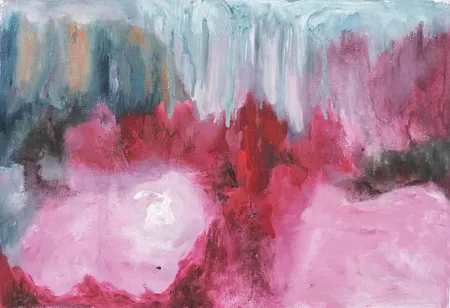
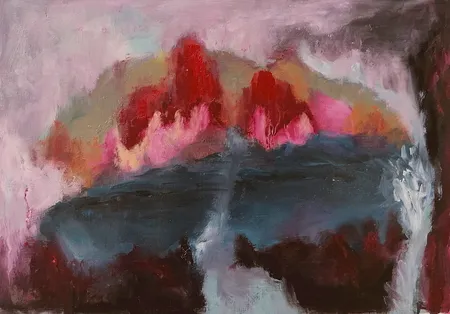
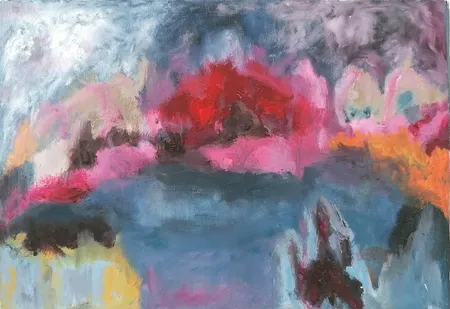
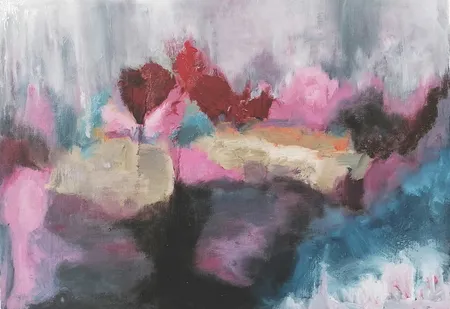
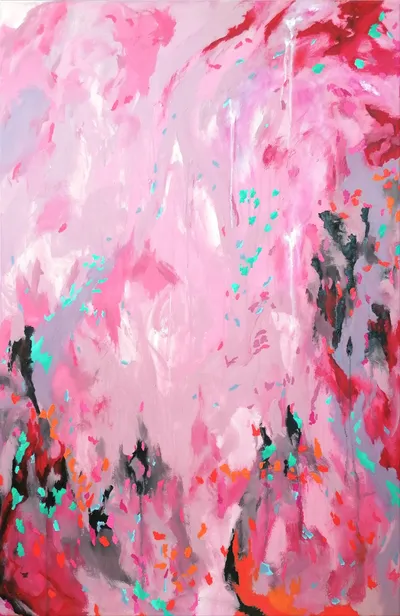
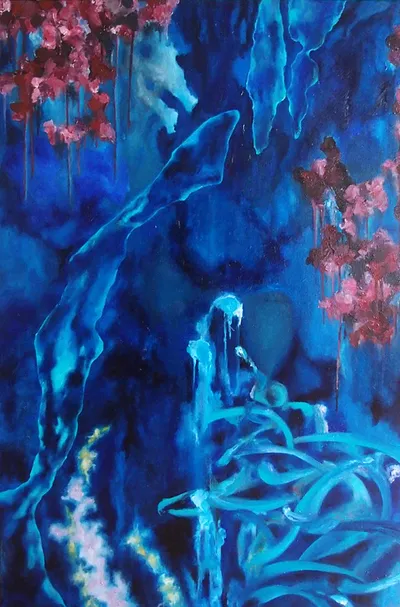
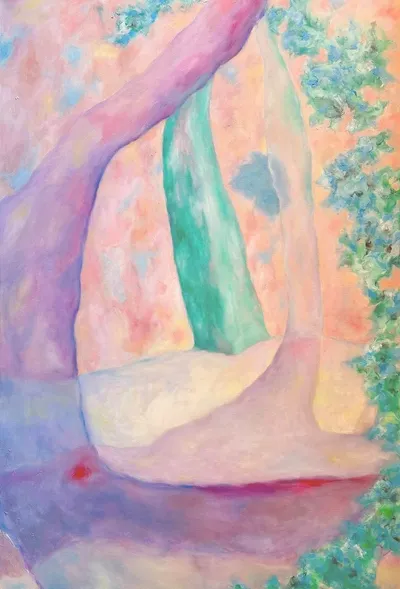
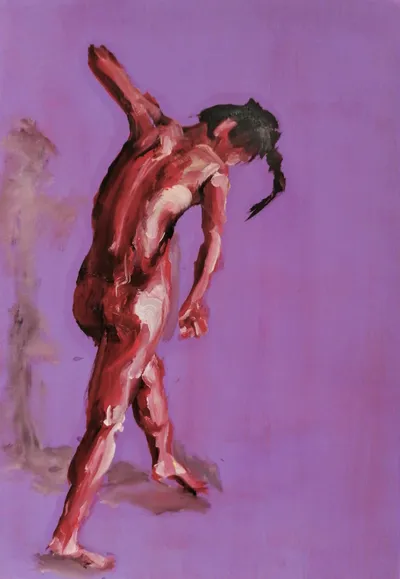
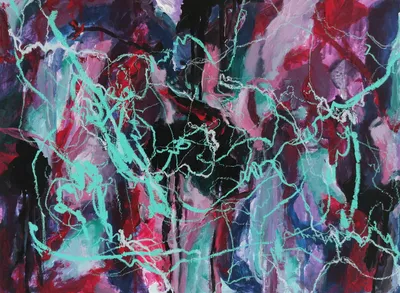
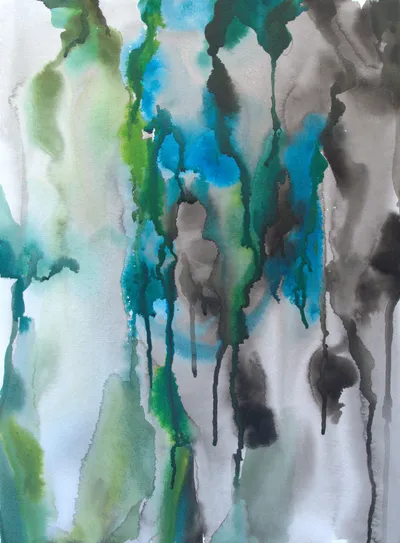
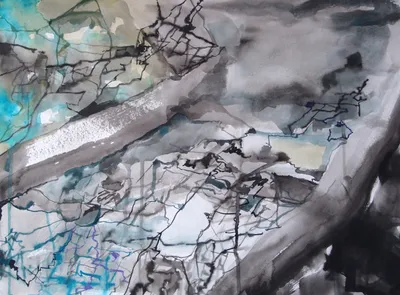
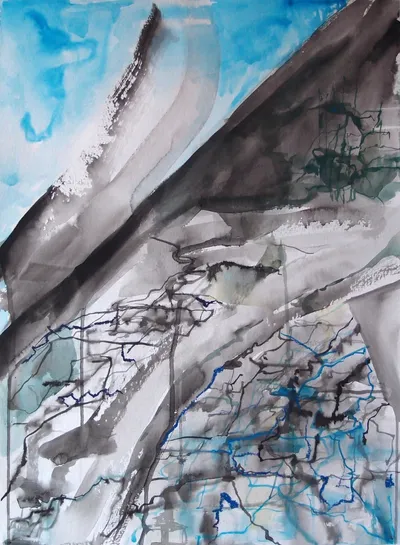
This is an ongoing project in which each chapter takes one philosophical text as its starting point and turns it into paintings, with sound, technology and movement. 'AfterThoughts' is about pinning down what matters and giving it visual form. (...)
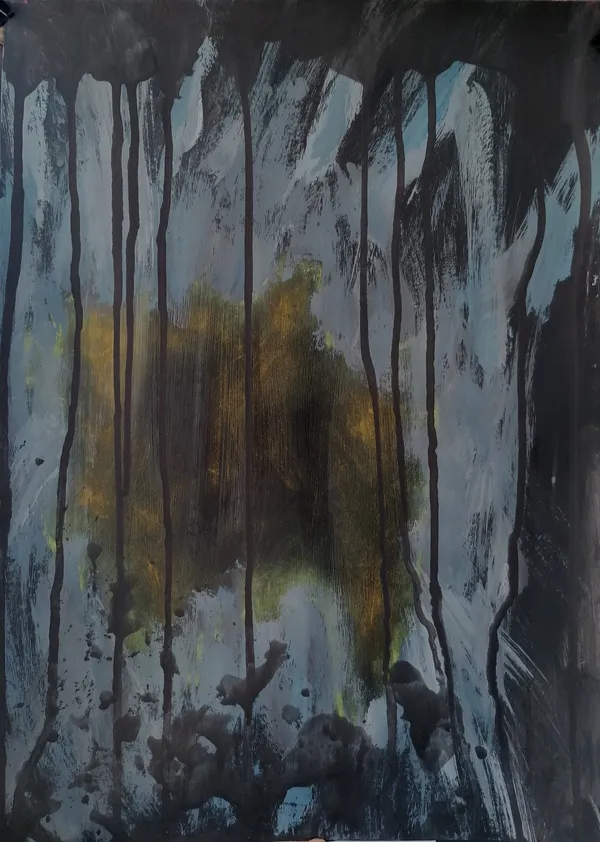
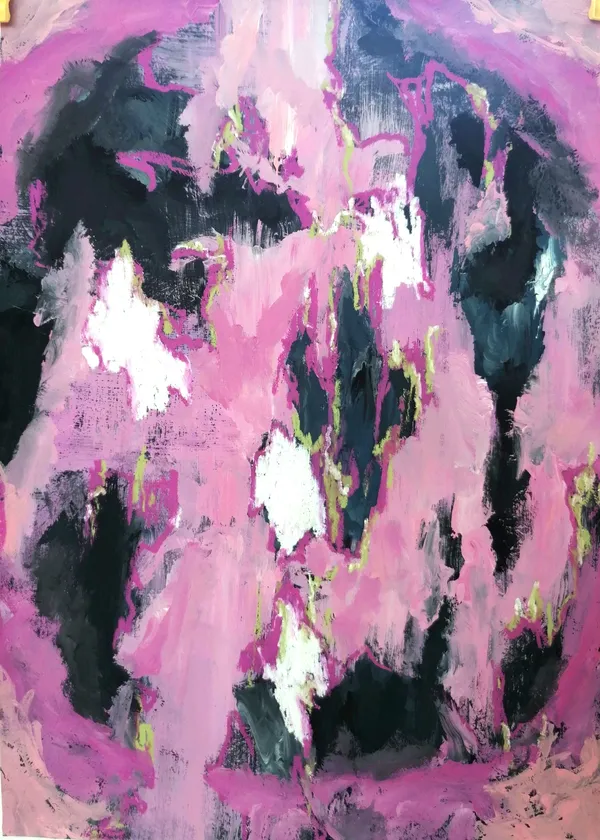
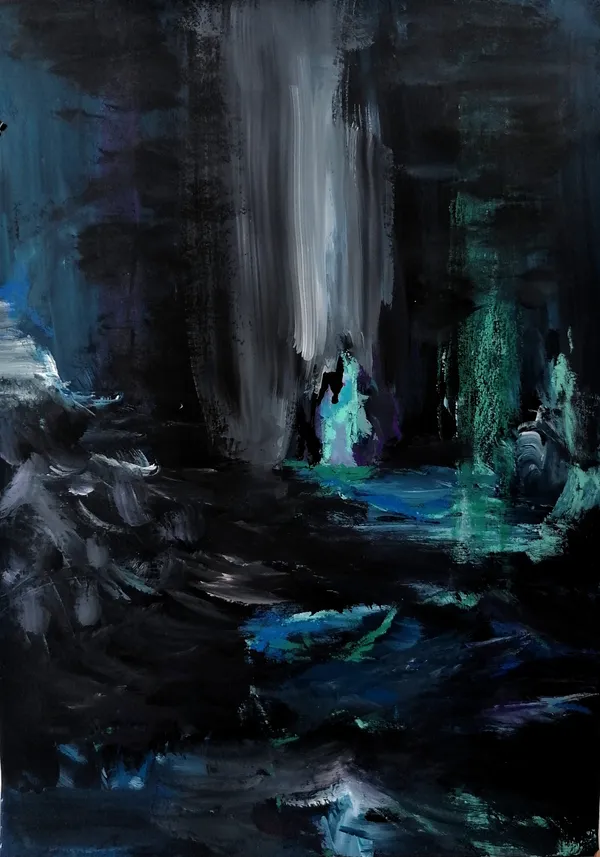
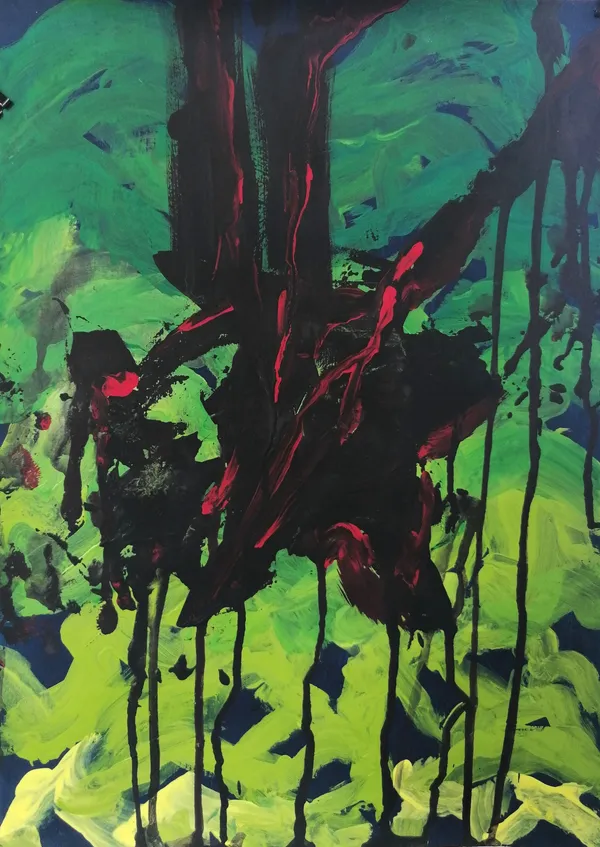
After Liberty
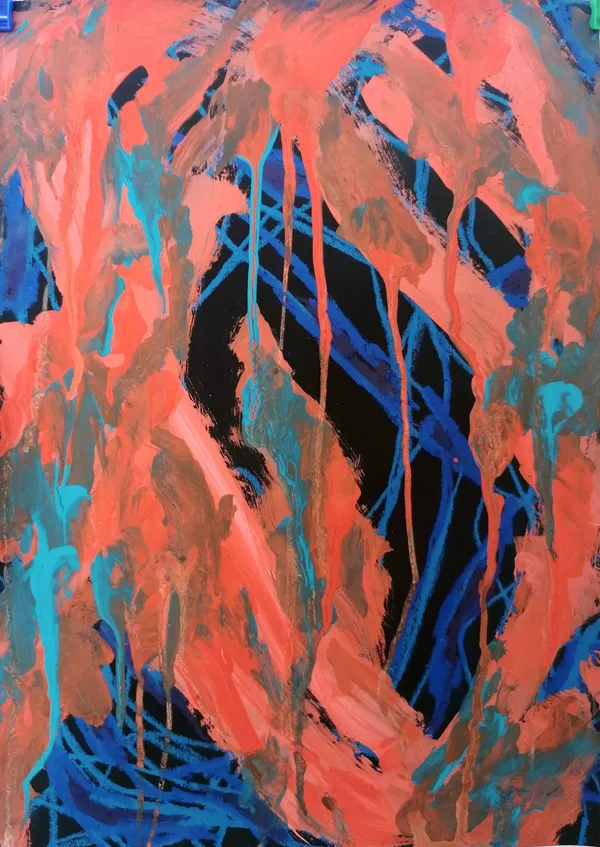
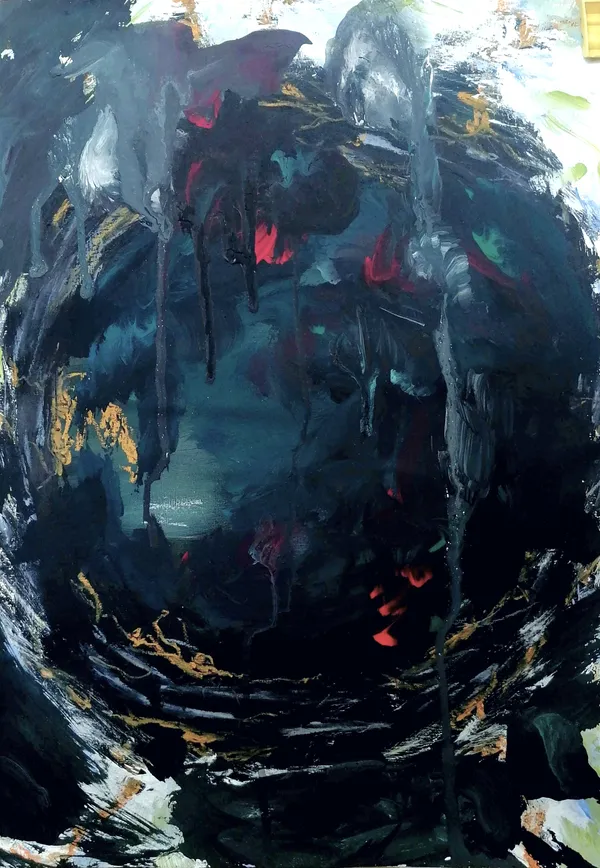
Last December, she read John Stuart Mill's 『On Liberty』, and it brought the vague questions in her head into sharper focus. Although it was published back in 1859, many parts of what he wrote about individuality, freedom, the need for diverse environments, individual development and the dangers of the tyranny of the majority caused a shift inside her. (...)
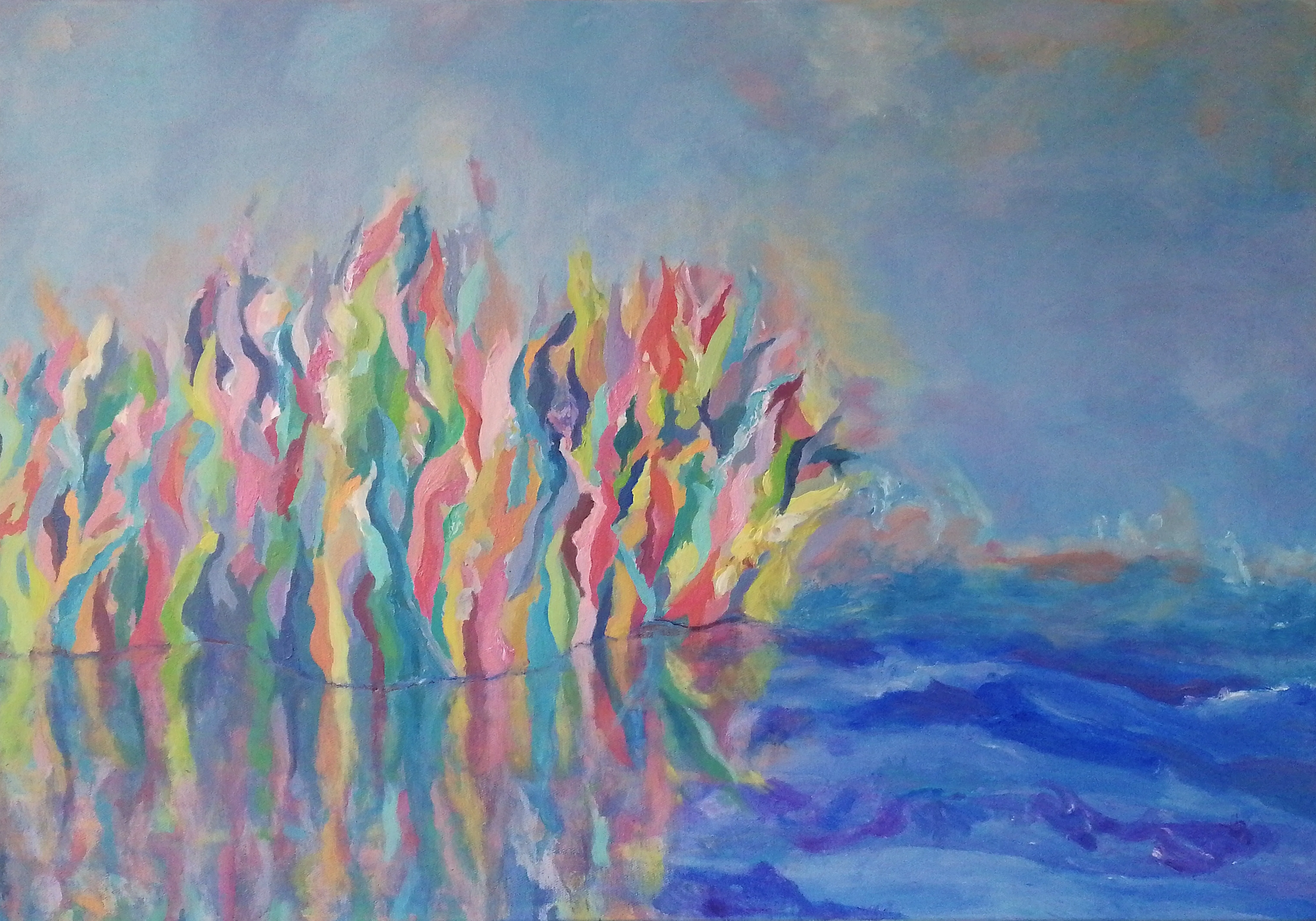
"The whole strength and value, then, of human judgment, depending on the one property, that it can be set right when it is wrong, reliance can be placed on it only when the means of setting it right are kept constantly at hand. In the case of any person whose judgment is really deserving of confidence, how has it become so? Because he has kept his mind open to criticism of his opinions and conduct. Because it has been his practice to listen to all that could be said against him; to profit by as much of it as was just, and expound to himself, and upon occasion to others, the fallacy of what was fallacious. (...)"
—『On Liberty』(1859) by John Stuart Mill
Contact
Please get in touch via email or DM regarding the inquiries below.
- Exhibition
- Support
- Collaboration
- Purchase
- Commission
- Subscription for news