





Selected works주요 작품Opere selezionate
EchoesəvYourFace
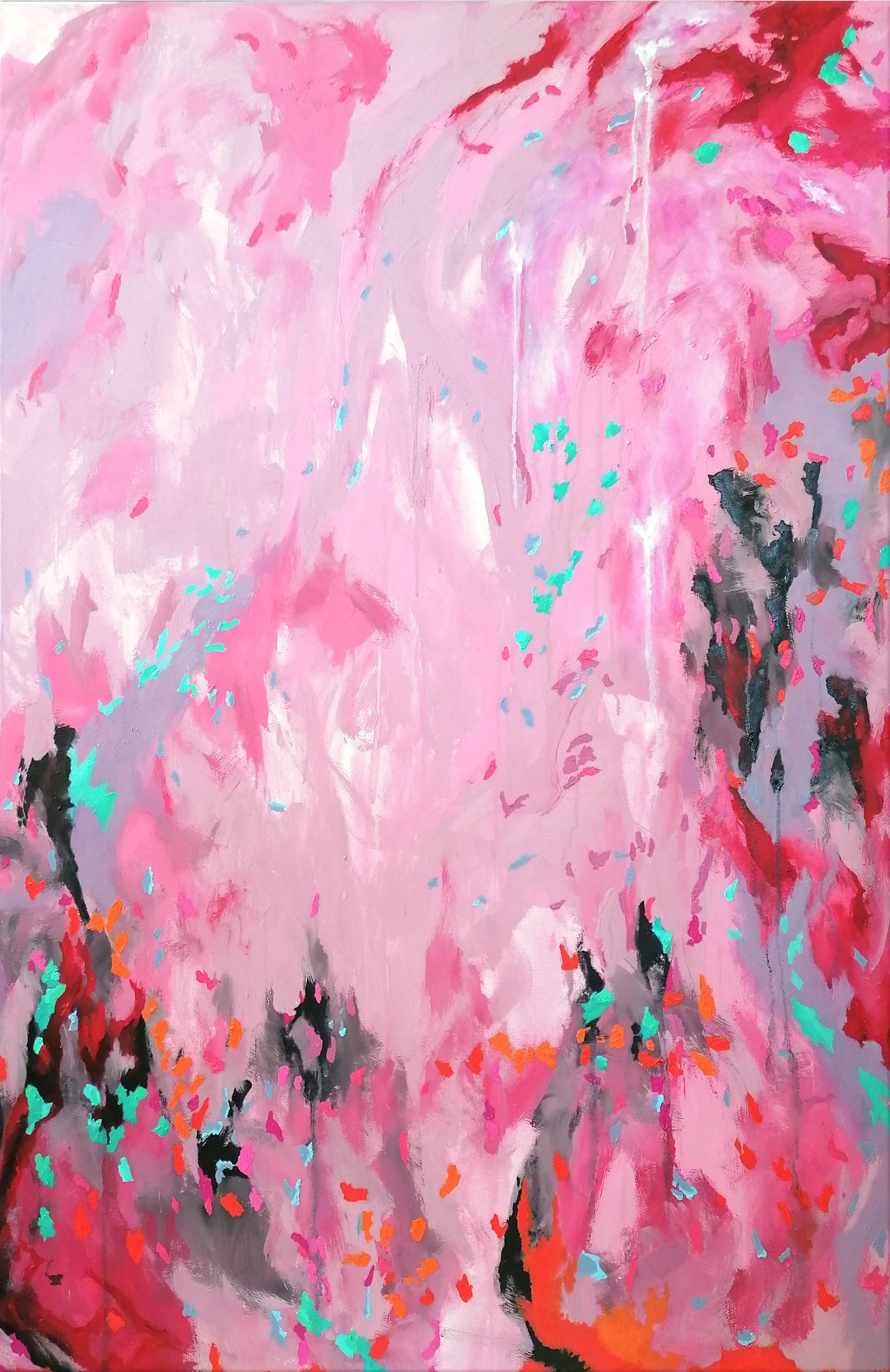
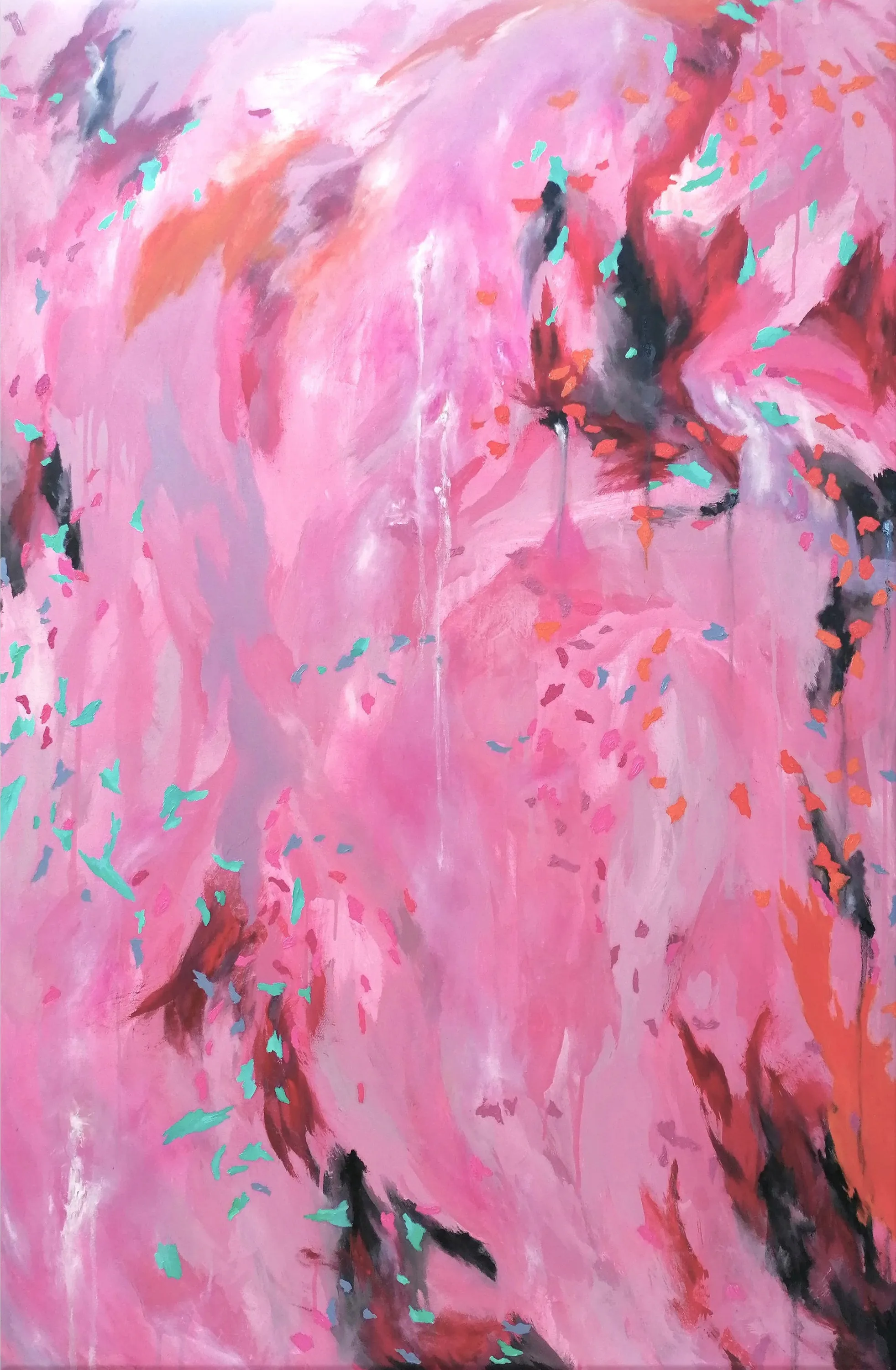
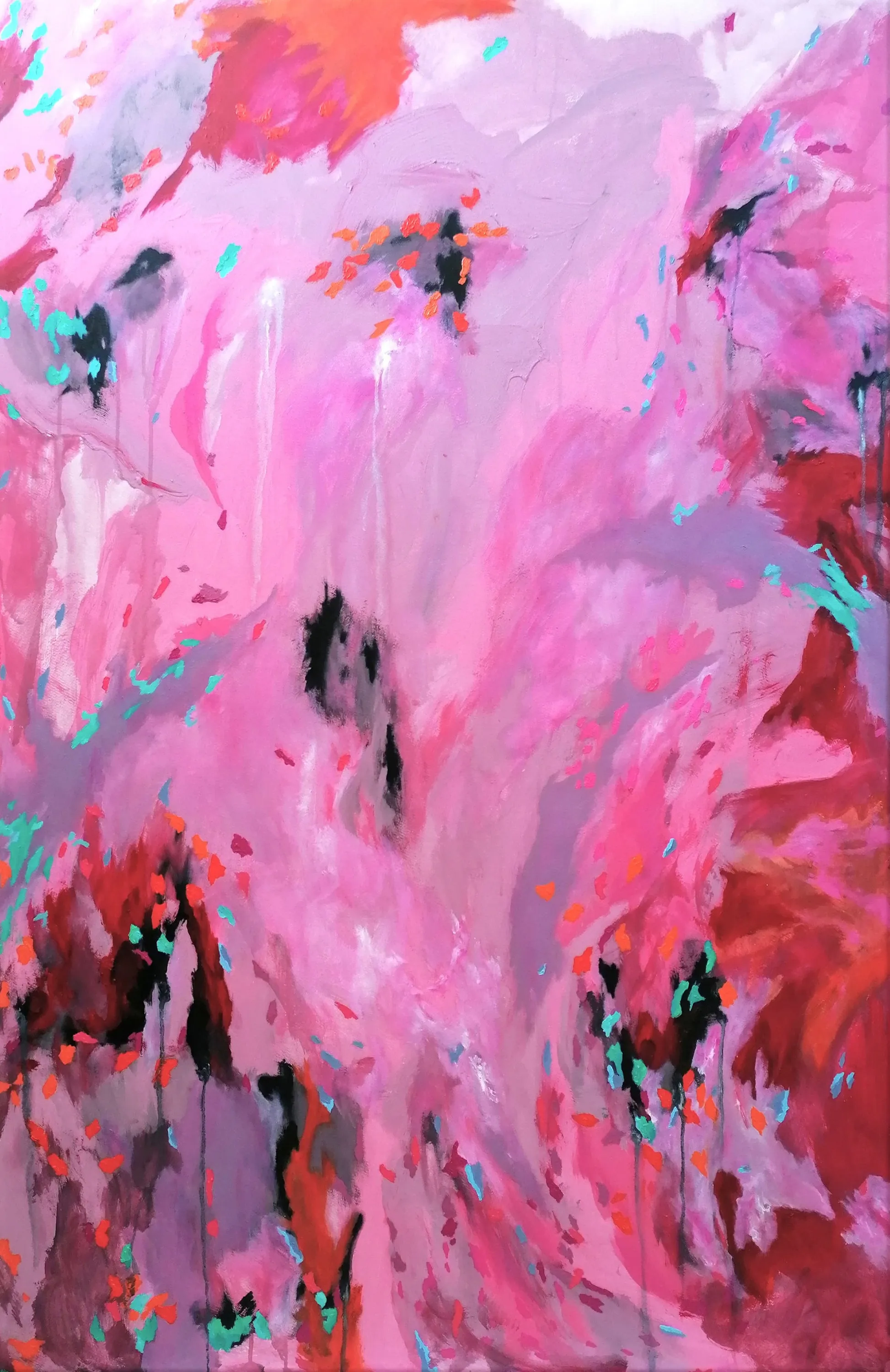
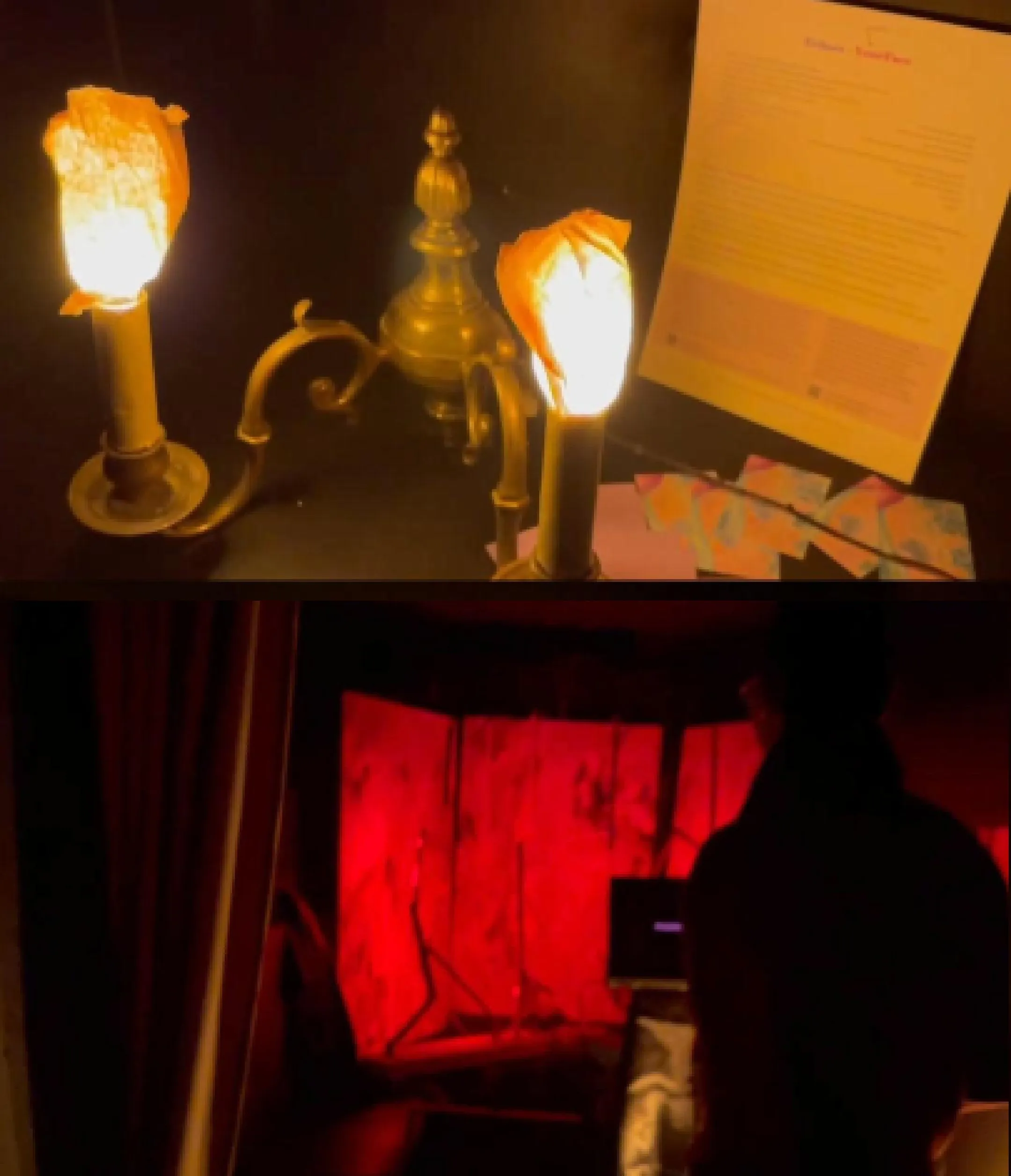
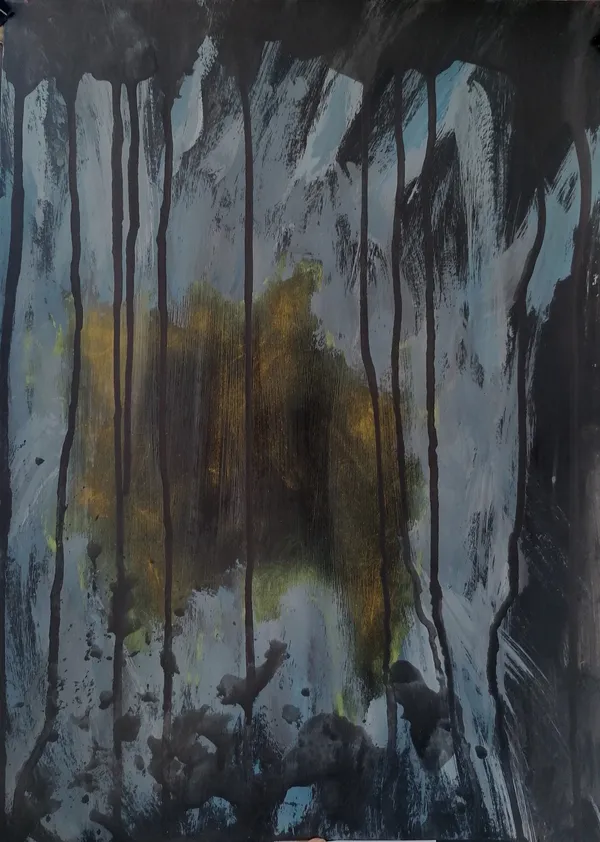
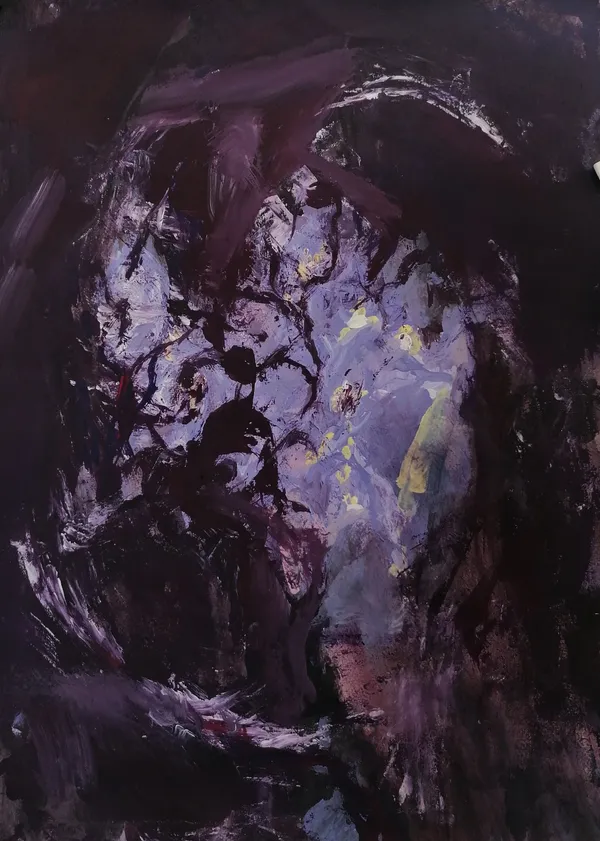
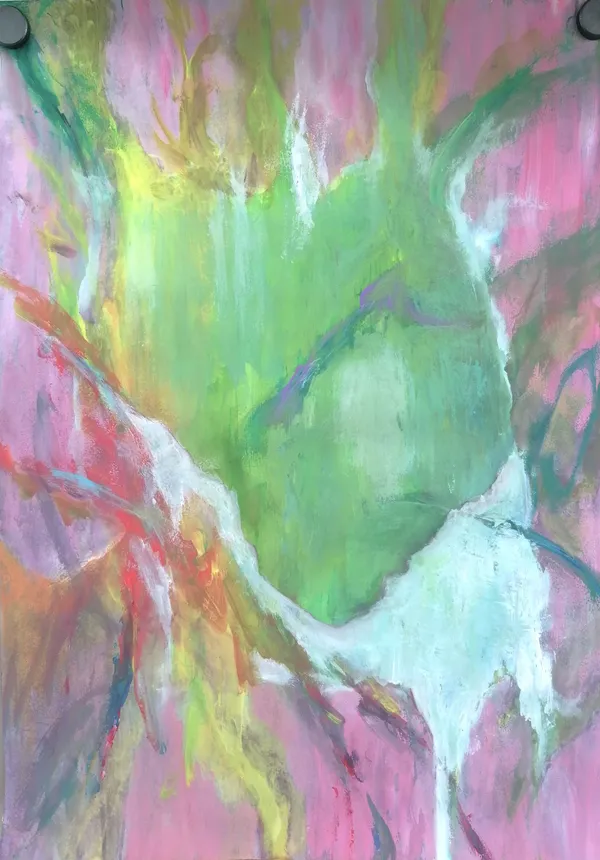
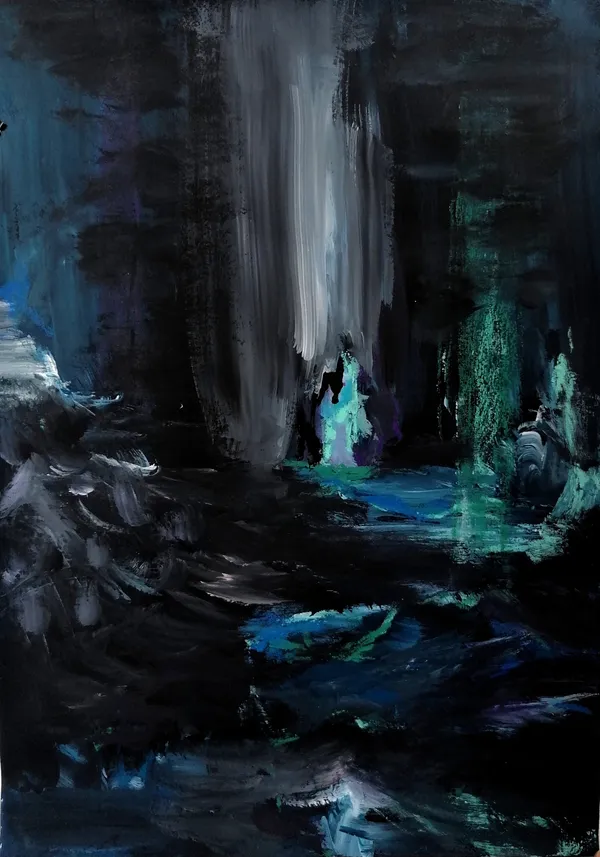
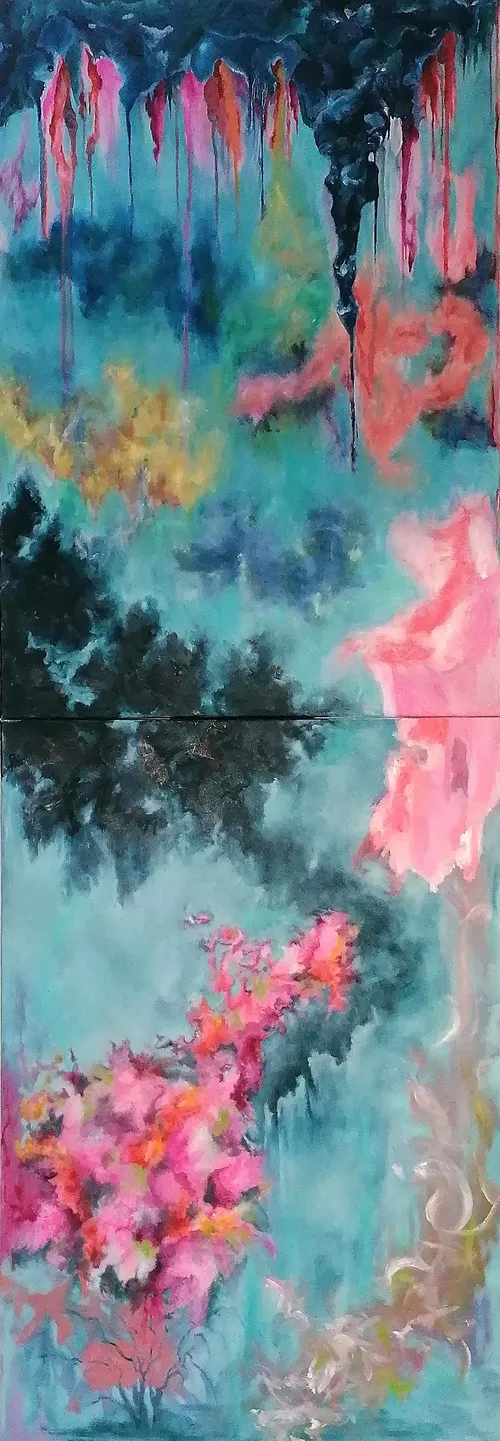
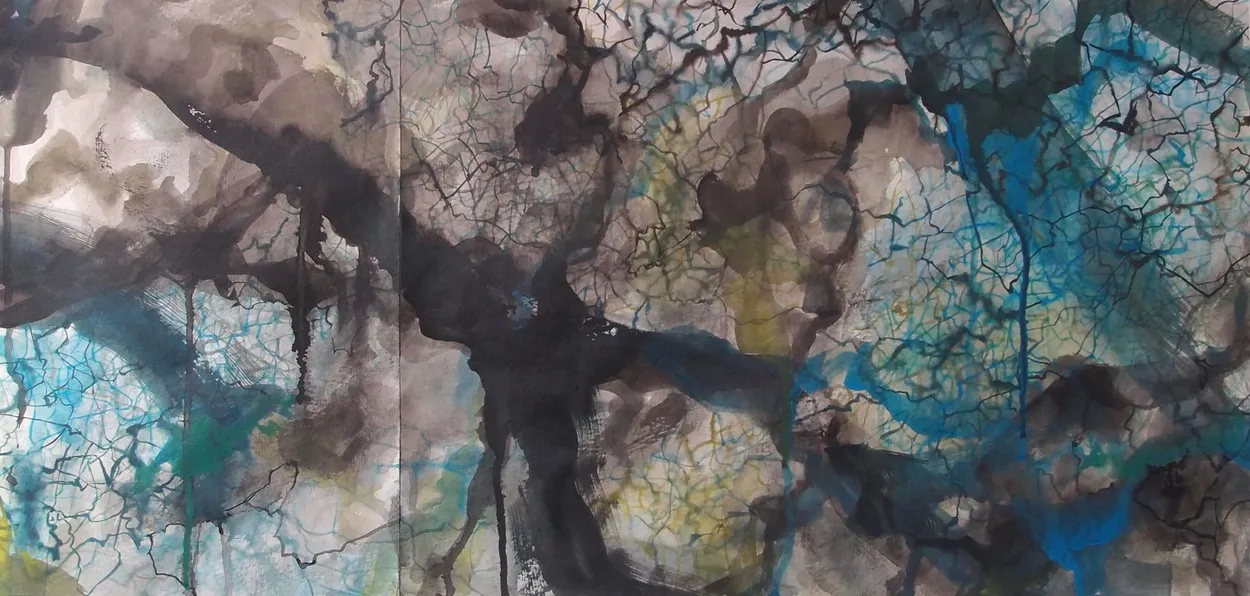
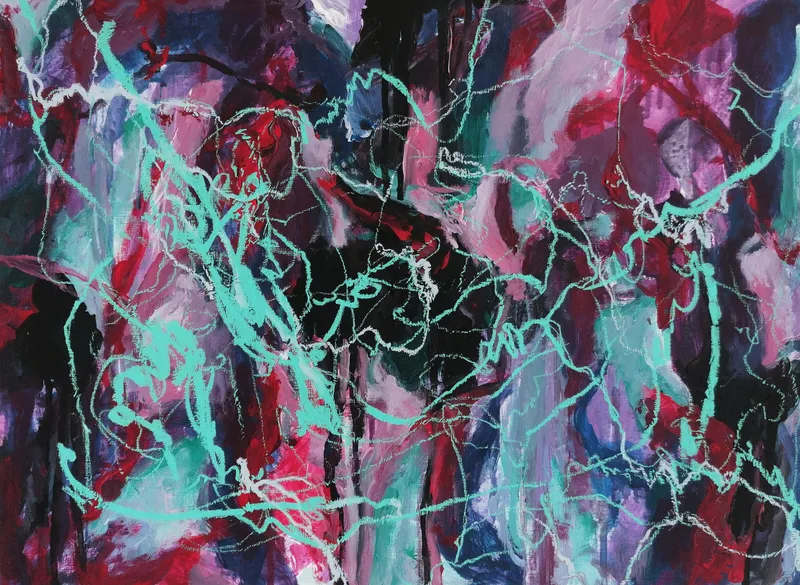
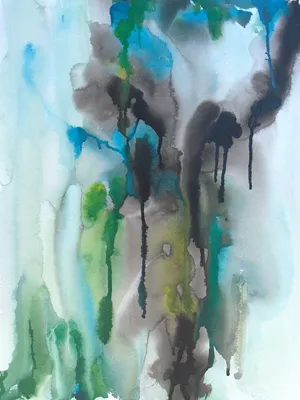
This participatory art installation comprises three abstract paintings and 143 interactive LED lights, which respond in real time to the emotions in audiences' facial expressions, detected by a camera using an AI face-recognition model. The detected data transforms the colour, movement, and intensity of the interactive LED lights illuminating the abstract paintings. (...)
EchoesəvYourFace
This participatory art installation comprises three abstract paintings and 143 interactive LED lights, which respond in real time to the emotions in audiences' facial expressions, detected by a camera using an AI face-recognition model. The detected data transforms the colour, movement, and intensity of the interactive LED lights illuminating the abstract paintings. (...)
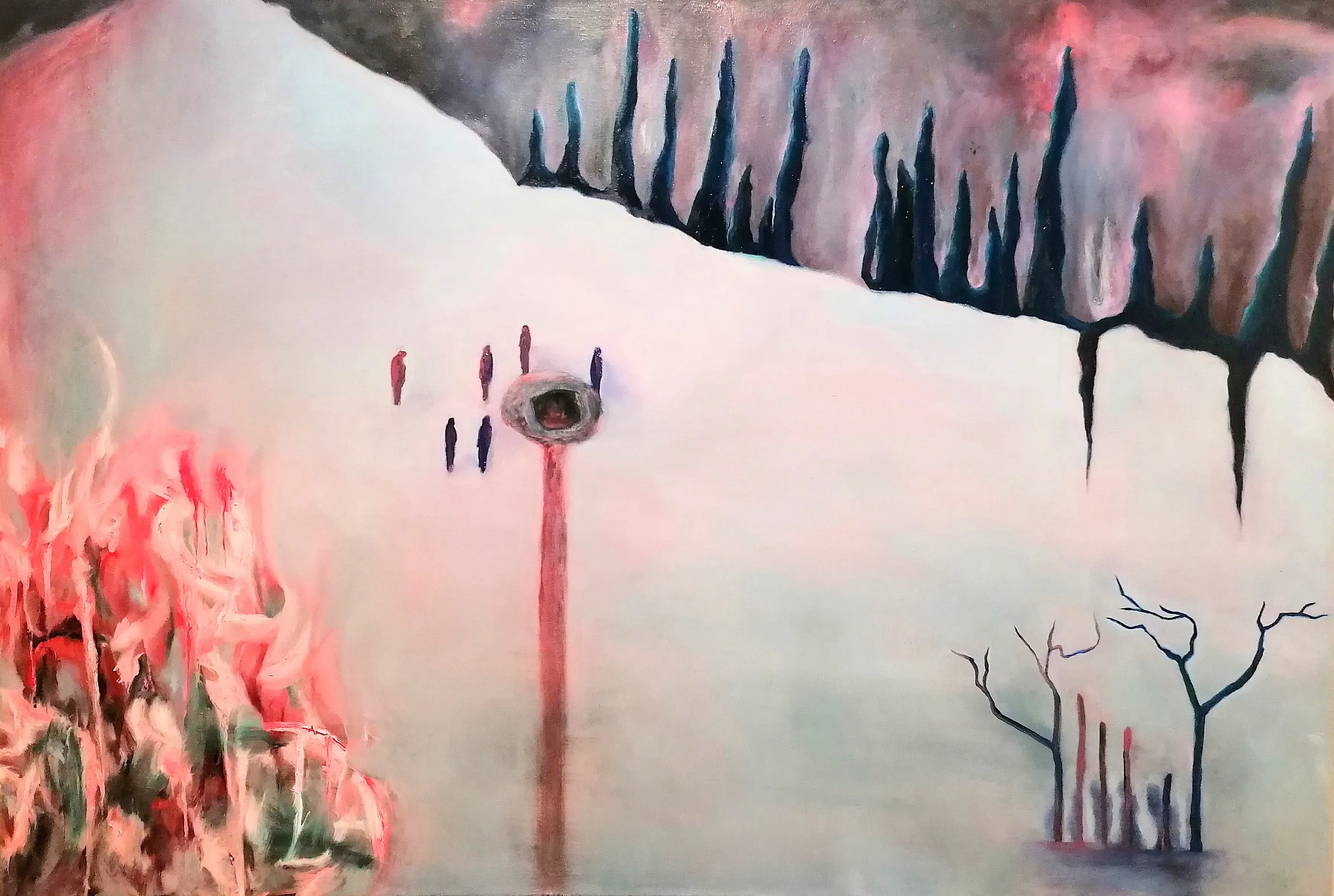
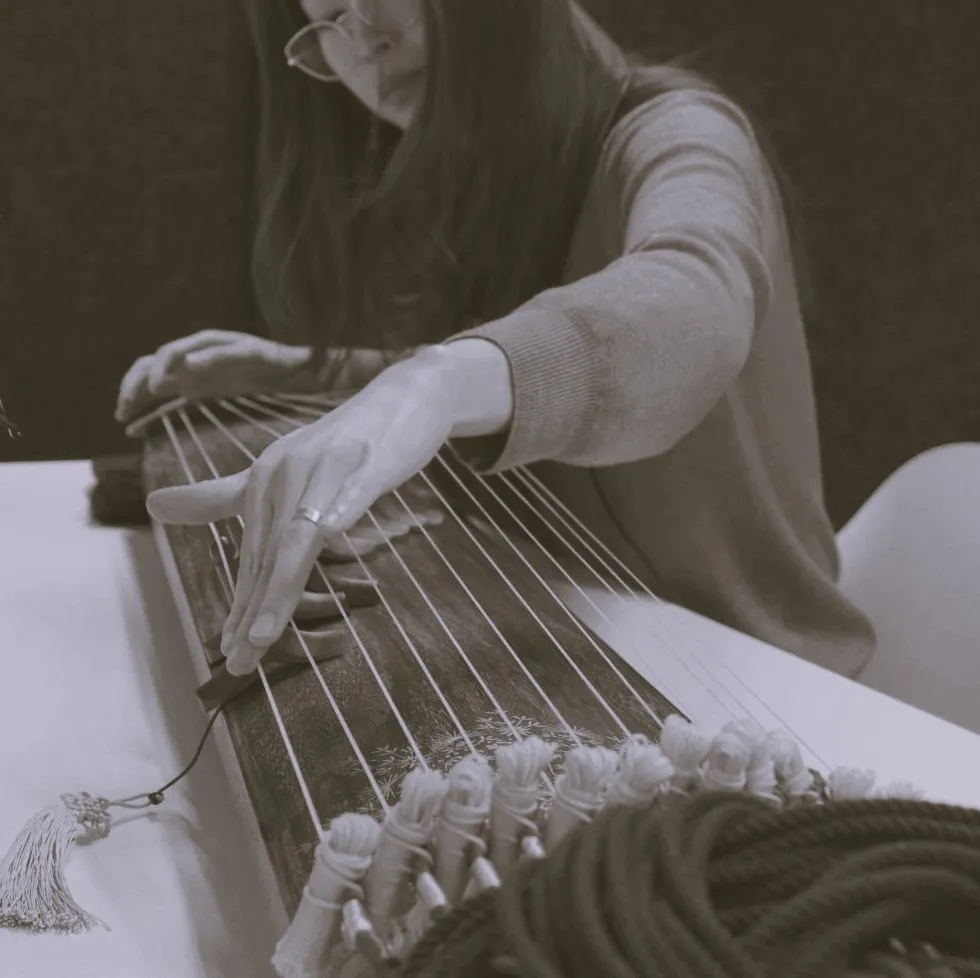
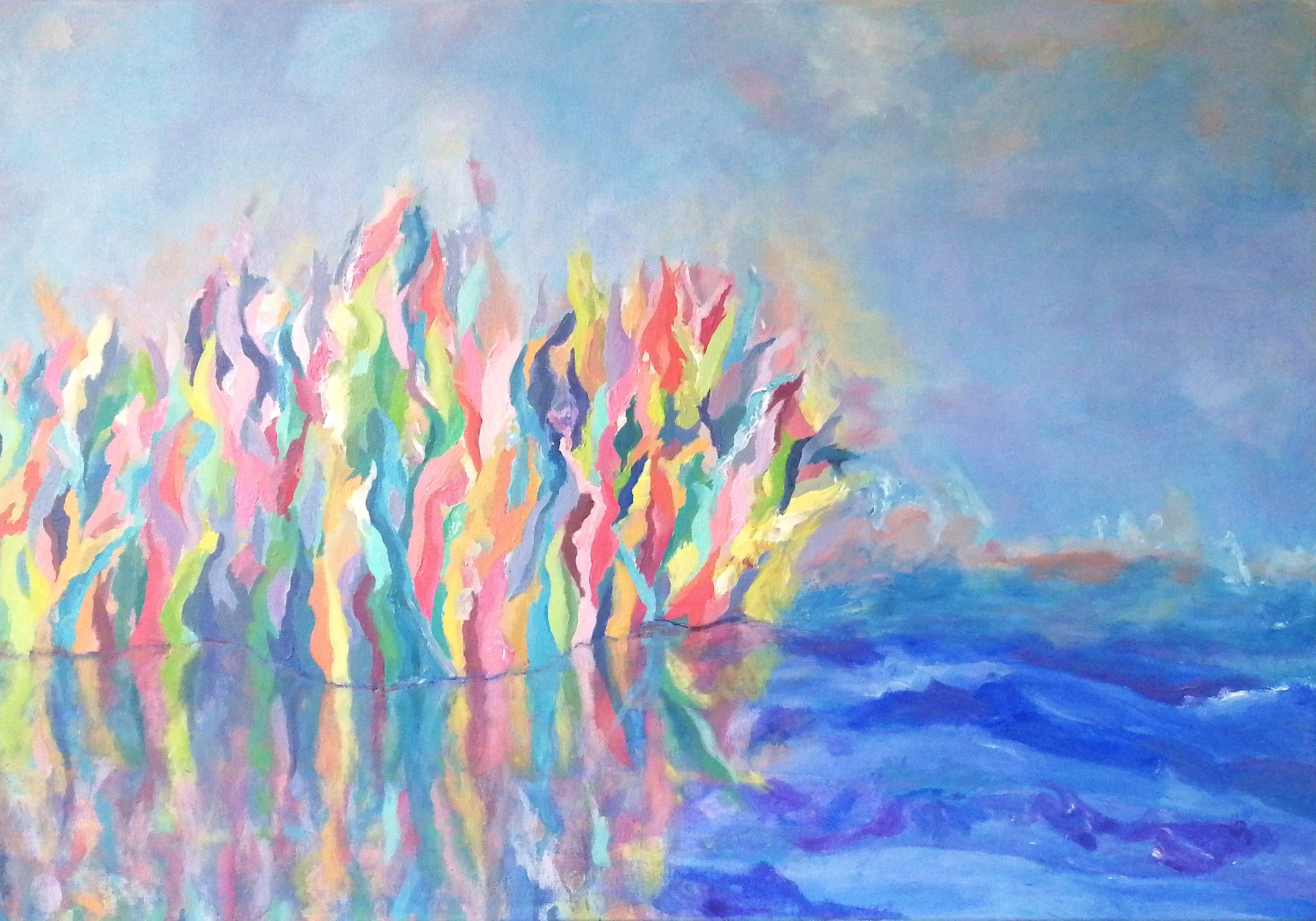
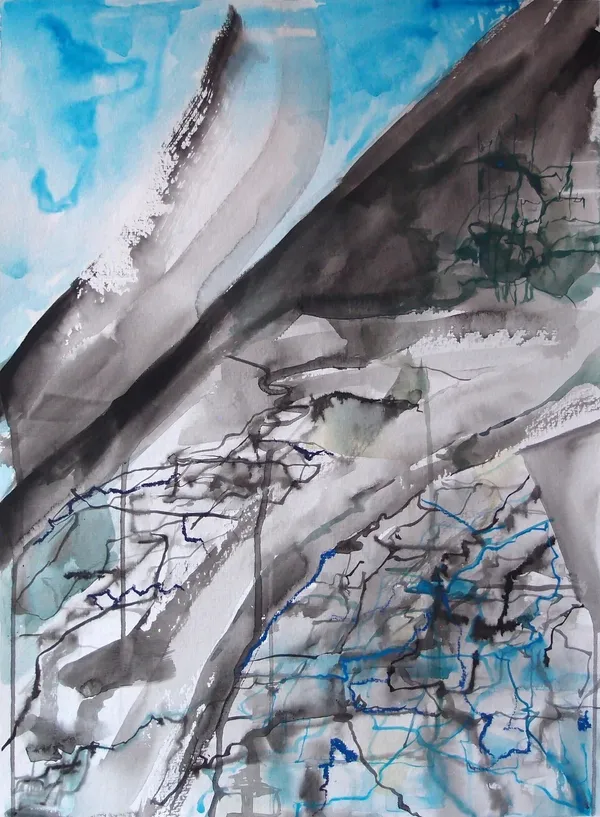
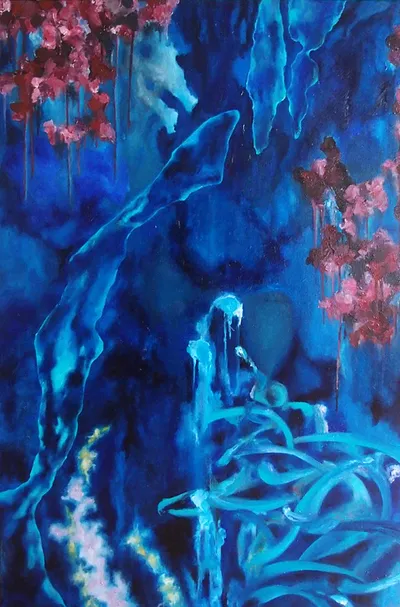
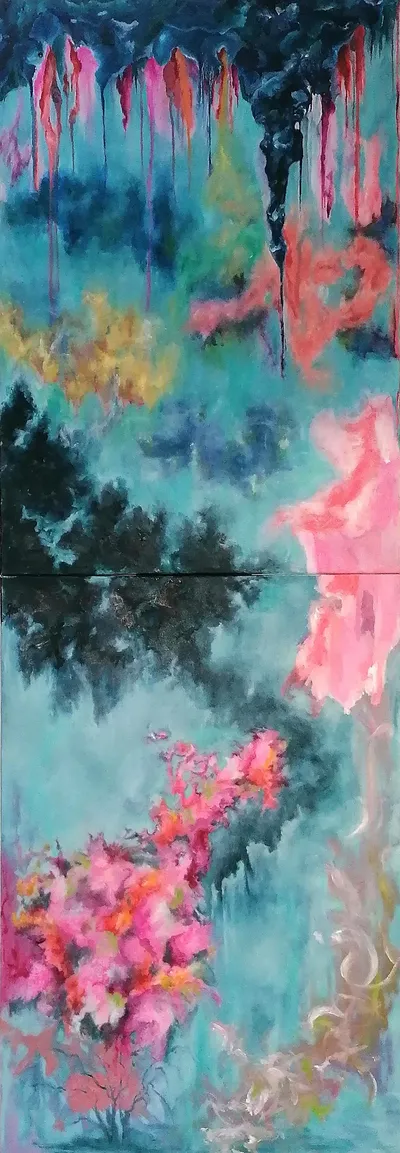
Innerscape
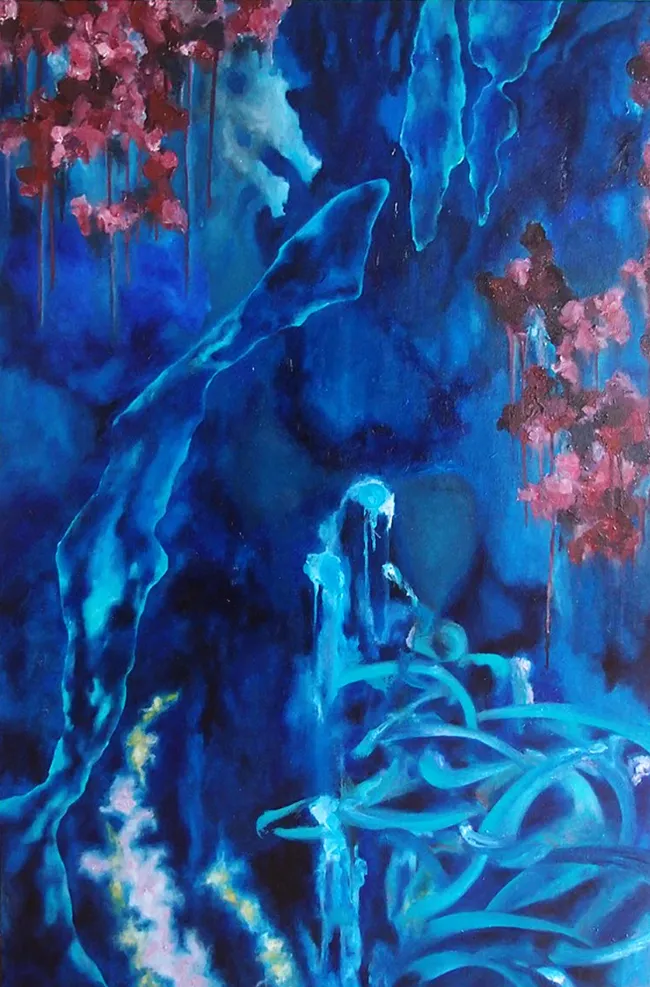
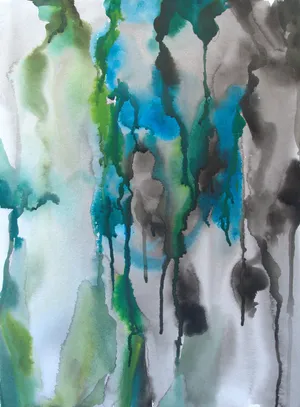
A series of imagined emotional landscapes, each accompanied by its own soundtrack, played on the gayageum, a traditional Korean 12-string instrument, composed and performed by the artist. This series traces the confusing, unsettling experience she went through while becoming someone different over time. (...)
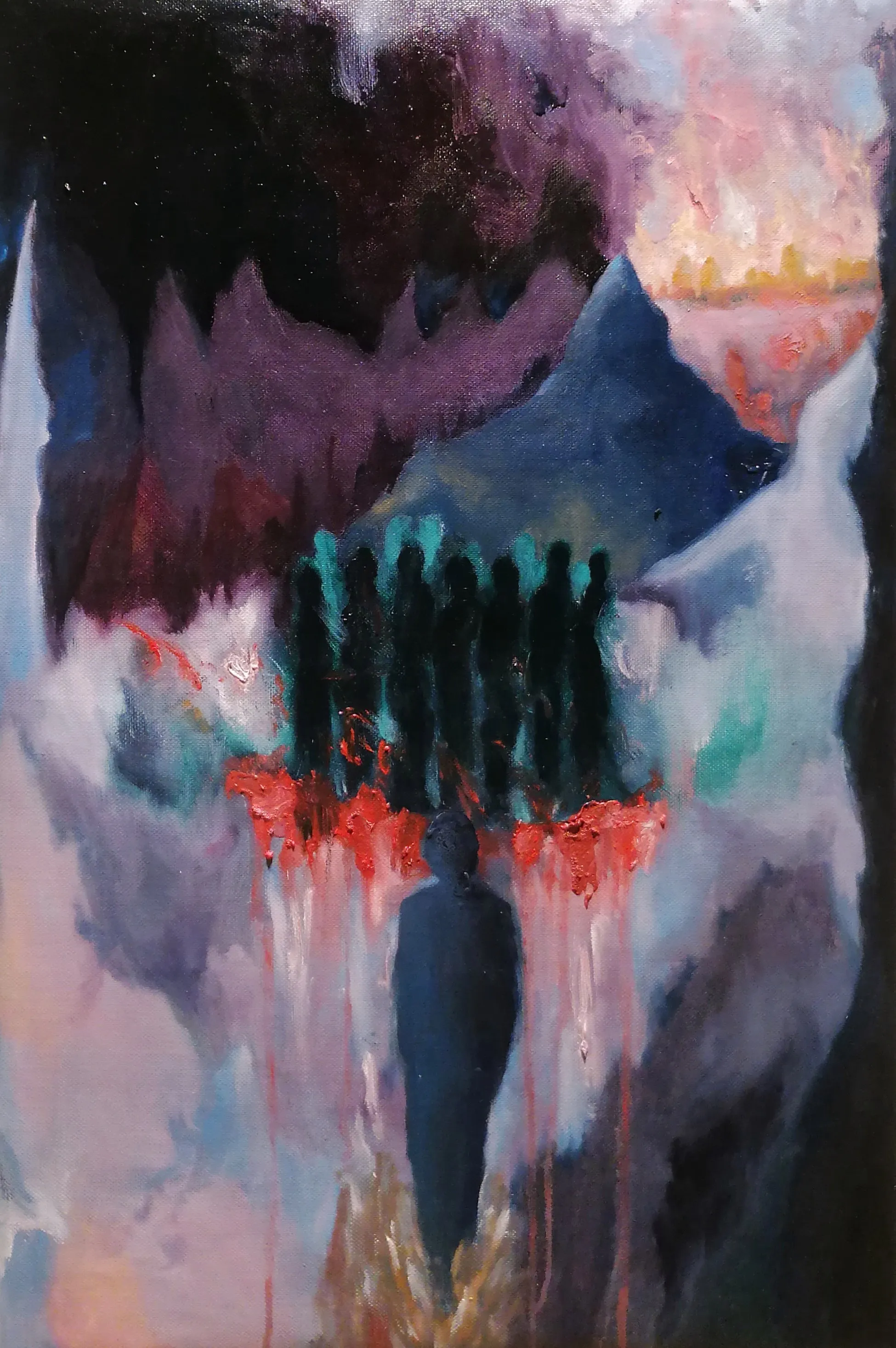
Innerscape
A series of imagined emotional landscapes, each accompanied by its own soundtrack, played on the gayageum, a traditional Korean 12-string instrument, composed and performed by the artist. This series traces the confusing, unsettling experience she went through while becoming someone different over time. (...)

AfterThoughts
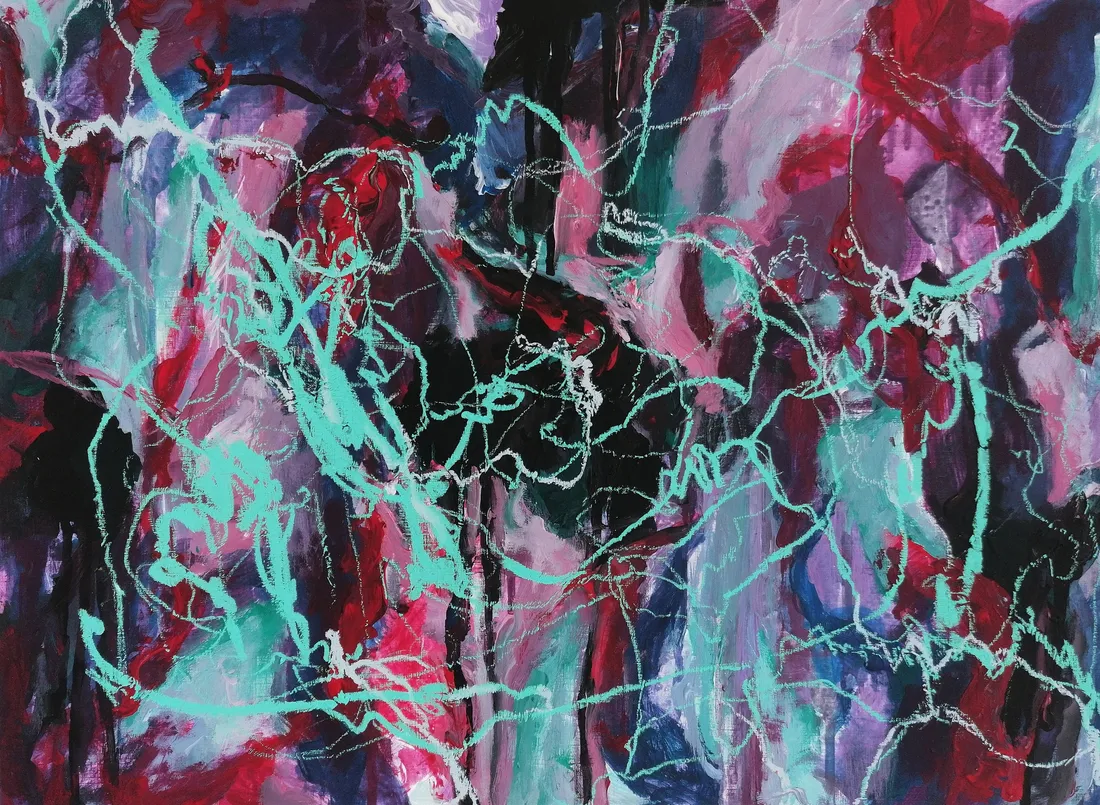
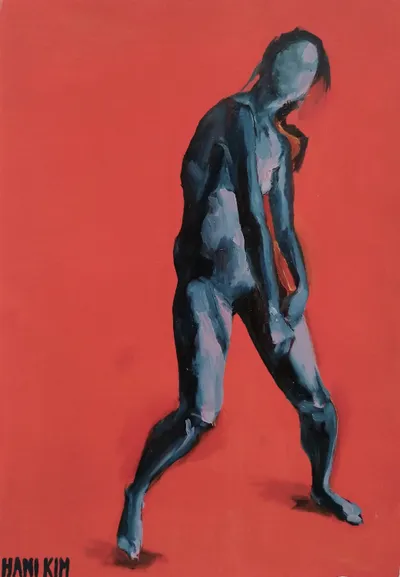
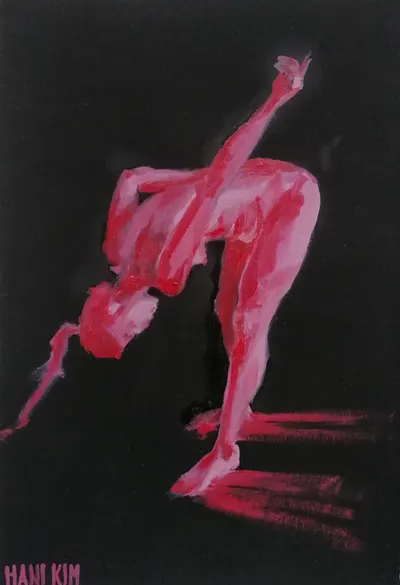
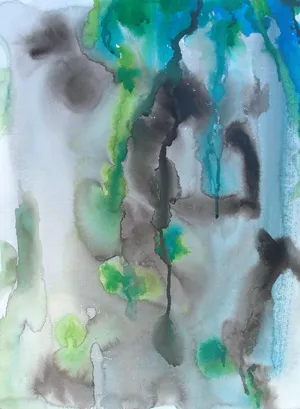
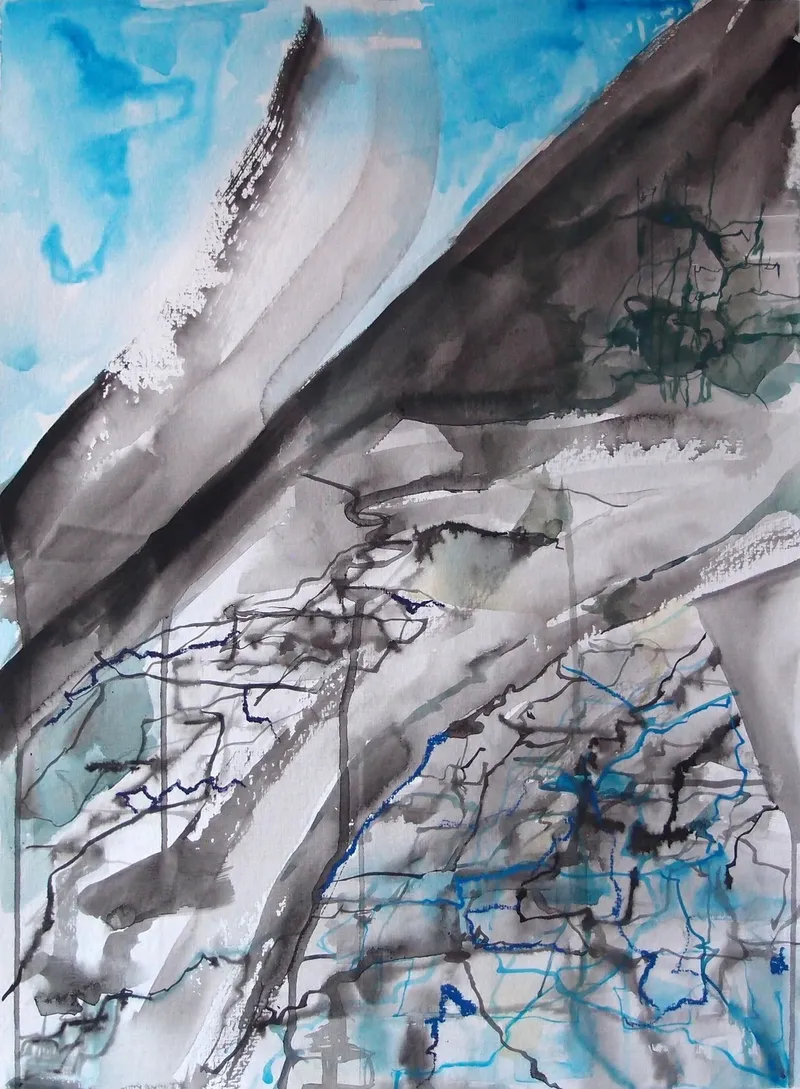
The project expresses the values we overlook in our busy lives through painting, sound, technology and performance, based on philosophical thought. Meeting friends who live in different countries, with different lifestyles and aims, she has come to feel that something is missing. (...)
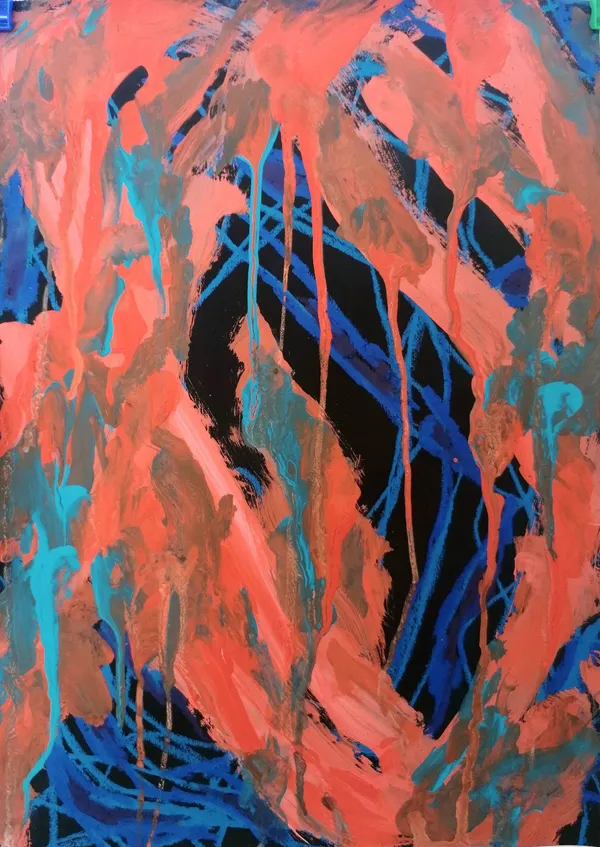
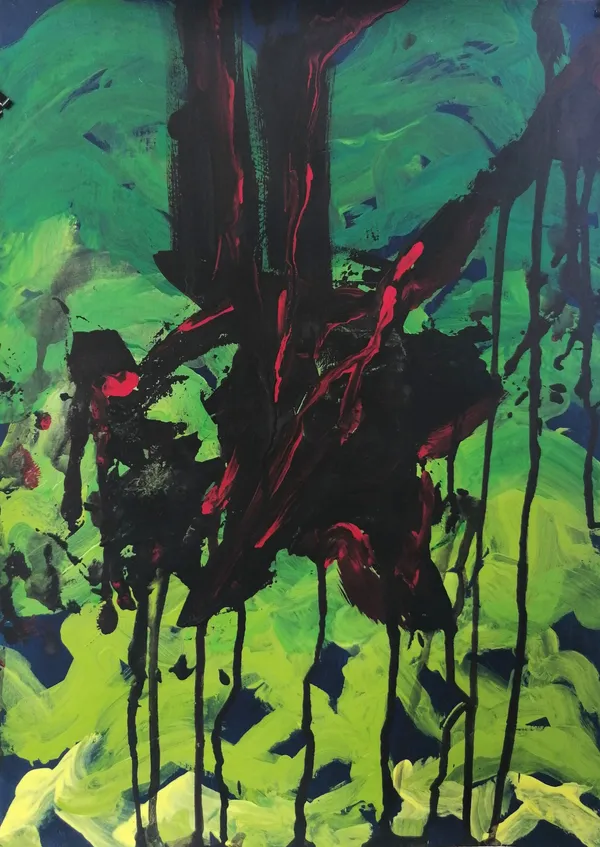
After Liberty
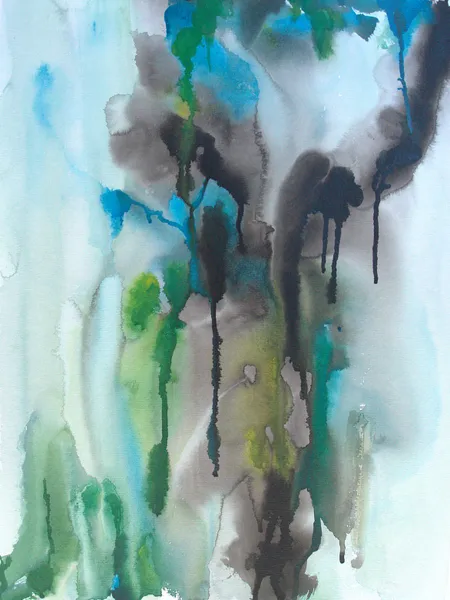
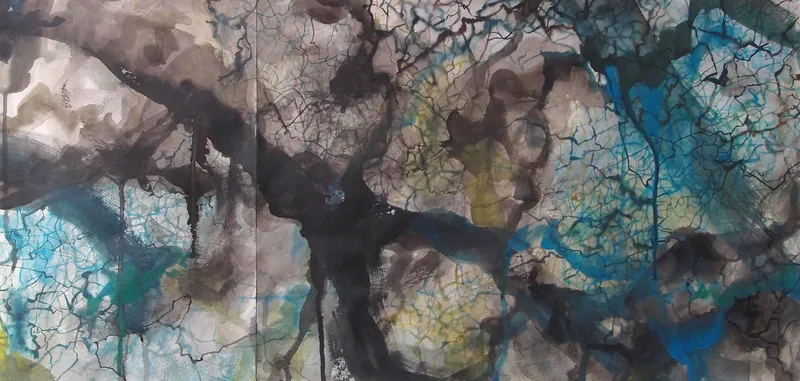
Last December, she read John Stuart Mill’s 『On Liberty』, and the vague questions in her head grew sharper. Although it was published back in 1859, much of what he wrote about individuality, freedom, the need for diverse environments, individual development and the dangers of the tyranny of the majority set off a quiet storm inside her. These ideas might seem obvious today, but his words felt like a fist knocking on the doors of the society she grew up in, the environment that shaped her and the mindset she had always held. (...)
Selected works주요 작품Opere selezionate
EchoesəvYourFace
This participatory art installation comprises three abstract paintings and 143 interactive LED lights, which respond in real time to the emotions in audiences' facial expressions, detected by a camera using an AI face-recognition model. The detected data transforms the colour, movement, and intensity of the interactive LED lights illuminating the abstract paintings. (...)
EchoesəvYourFace
This participatory art installation comprises three abstract paintings and 143 interactive LED lights, which respond in real time to the emotions in audiences' facial expressions, detected by a camera using an AI face-recognition model. The detected data transforms the colour, movement, and intensity of the interactive LED lights illuminating the abstract paintings. (...)
Innerscape
A series of imagined emotional landscapes, each accompanied by its own soundtrack, played on the gayageum, a traditional Korean 12-string instrument, composed and performed by the artist. This series traces the confusing, unsettling experience she went through while becoming someone different over time. (...)
Innerscape
A series of imagined emotional landscapes, each accompanied by its own soundtrack, played on the gayageum, a traditional Korean 12-string instrument, composed and performed by the artist. This series traces the confusing, unsettling experience she went through while becoming someone different over time. (...)
AfterThoughts
The project expresses the values we overlook in our busy lives through painting, sound, technology and performance, based on philosophical thought. Meeting friends who live in different countries, with different lifestyles and aims, she has come to feel that something is missing. (...)
After Liberty
Last December, she read John Stuart Mill’s 『On Liberty』, and the vague questions in her head grew sharper. Although it was published back in 1859, much of what he wrote about individuality, freedom, the need for diverse environments, individual development and the dangers of the tyranny of the majority set off a quiet storm inside her. These ideas might seem obvious today, but his words felt like a fist knocking on the doors of the society she grew up in, the environment that shaped her and the mindset she had always held. (...)